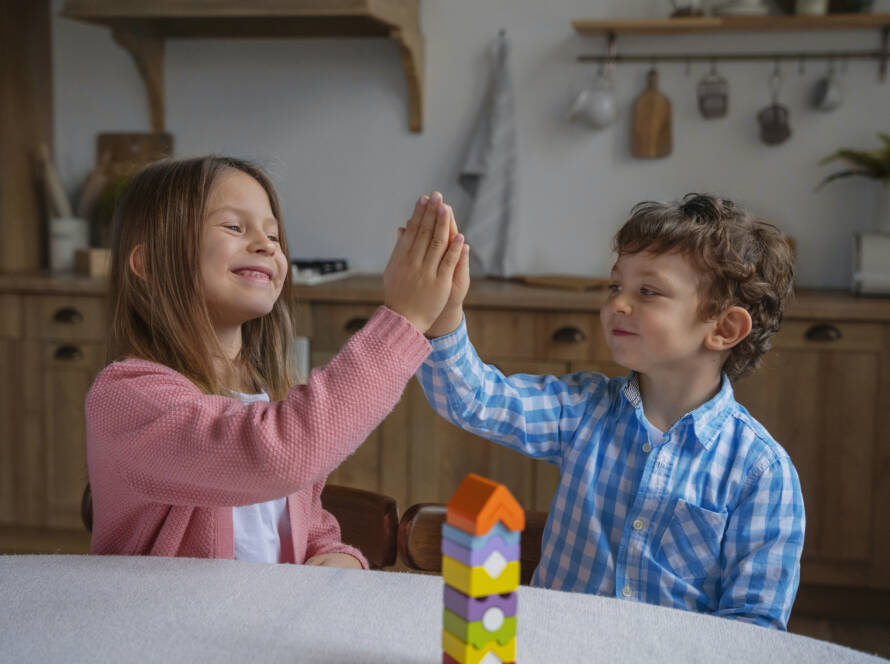
In today’s fast-changing world, a child’s development cannot be limited to academic success alone. True education is holistic—it nurtures the mind, body, emotions, values, creativity, and social responsibility of a child. For this, three pillars play an equally important role: parents, teachers, and society. When these three work in harmony, children grow into confident, compassionate, and responsible individuals.
1. Role of Parents: The First Architects of a Child’s Mind
Parents are a child’s first teachers. The emotional environment at home shapes the child’s sense of safety, self-worth, and confidence. A home filled with love, respect, and understanding becomes the foundation of strong mental and emotional health.
Parents contribute to holistic development by:
● Providing emotional security and unconditional acceptance
● Encouraging curiosity, creativity, and independent thinking
● Teaching values like empathy, honesty, responsibility, and resilience
● Modeling healthy behavior, communication, and emotional regulation
● Supporting rather than pressuring, guiding rather than controlling
A child who feels emotionally safe at home develops better concentration, stronger self-esteem, and a positive outlook towards life and learning.
2. Role of Teachers: The Sculptors of Character and Confidence
Teachers do much more than teach subjects. They shape attitudes, inspire dreams, and influence character. A teacher’s words can either build confidence or break it.
Teachers support holistic development by:
● Creating emotionally safe classrooms where children feel seen and heard
● Encouraging critical thinking instead of rote learning
● Recognizing each child’s unique strengths and learning styles
● Teaching life skills such as teamwork, communication, and problem-solving
● Nurturing empathy, discipline, and self-belief
When teachers focus on emotional intelligence along with academics, children become balanced learners who are confident both inside and outside the classroom.
3. Role of Society: The Environment That Shapes Identity
Society acts as the extended classroom for children. Media, community, culture, peers, and social values deeply influence how children see themselves and the world.
Society contributes by:
● Providing safe spaces for children to express, explore, and grow
● Promoting positive role models and healthy narratives
● Supporting mental health awareness and emotional well-being
● Encouraging inclusivity, kindness, and respect for diversity
● Protecting children from harmful influences and unrealistic pressures
A sensitive society helps children develop a sense of belonging and responsibility towards others.
The Power of Togetherness
Holistic development is not the responsibility of one system alone. When parents provide emotional strength, teachers provide intellectual and moral guidance, and society provides a nurturing environment, children flourish naturally.
Today’s children need:
● Emotional safety
● Encouragement over comparison
● Understanding over judgment
● Guidance over pressure
They don’t need to be perfect. They need to be supported.
The future of our world lies not in how much our children know, but in how deeply they feel, how wisely they think, and how compassionately they act. Parents, teachers, and society together hold the responsibility of raising not just successful students, but emotionally strong, ethical, and conscious human beings.
When we build a child’s emotional foundation first, everything else stands stronger. Because education is not about producing toppers, it is about nurturing humans.
Himani Gupte
Child Psychologist. Behaviour Therapist and Parent coach